
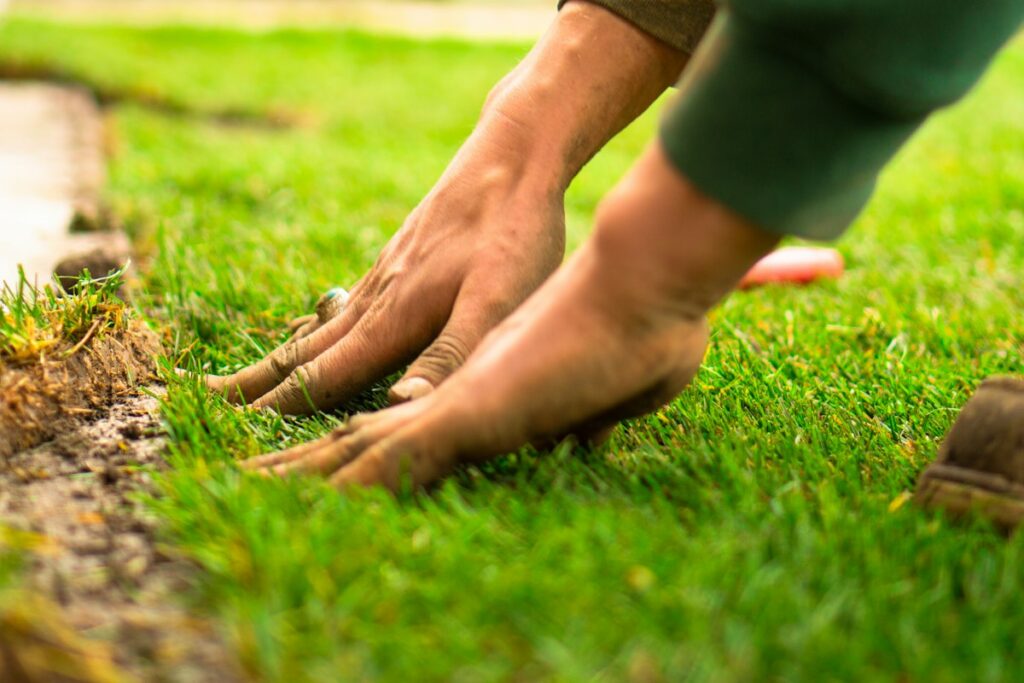
It’s tempting to think of lawn care as a spring and summer job, but the work you do on your yard this fall has more influence on next year’s lawn than almost anything you’ll do once the weather warms back up. Grass roots are still actively growing even as the blades slow down, which makes autumn the ideal window to repair damage, build root strength, and set your soil up for a healthier season ahead.
Here are seven fall lawn care tasks worth putting on your calendar, roughly in the order you’ll want to tackle them.
Keep Mowing — Just Adjust the Height
Many homeowners put the mower away too early. Grass keeps growing until the ground really cools down, and mowing too high or stopping altogether can leave grass long enough to mat down under fallen leaves and early snow, which invites fungal disease like snow mold. As fall progresses, gradually lower your mowing height over the last few cuts of the season, finishing a bit shorter than your usual summer height. Just avoid scalping the lawn — cutting more than about a third of the blade length at once stresses the grass right when it should be building root reserves.
Clear Fallen Leaves Regularly
A thick layer of leaves left sitting on the lawn blocks sunlight and traps moisture against the grass, which can smother it and encourage disease over winter. Rake, blow, or mow over leaves regularly rather than waiting until they’ve all fallen and piled up. If you’d rather skip raking altogether, running a mulching mower over a light leaf layer to shred it into fine pieces works well too — the shredded leaves break down and actually return nutrients to the soil, as long as the layer isn’t so thick that grass is still visible underneath after mulching.
Aerate Compacted Soil
If your lawn gets regular foot traffic, has kids or pets running across it, or just feels hard and compacted underfoot, fall is an excellent time to aerate. Core aeration pulls small plugs of soil out of the ground, relieving compaction and letting water, air, and nutrients reach grass roots more effectively. Cool-season grasses (common in northern climates) especially benefit from fall aeration, since it’s timed right before their strongest growth period. You can rent a core aerator for a weekend or hire a lawn service — either way, aerating right before overseeding or fertilizing dramatically improves how well those follow-up treatments actually work.
Overseed Thin or Bare Patches
Fall’s combination of warm soil, cooler air, and typically more consistent rainfall makes it the best season to overseed a thin lawn or patch bare spots — conditions that are much friendlier to new grass seed than the heat stress of summer. Spread seed after aerating for the best soil contact, keep the area consistently moist (light, frequent watering rather than one heavy soak) until seedlings are established, and hold off mowing until the new grass has reached about three inches tall.
Fertilize for Root Growth, Not Top Growth
A fall fertilizer application, timed correctly, helps grass build carbohydrate reserves in its roots that carry it through winter and fuel a stronger green-up next spring. Look for a fertilizer with a lower first number (nitrogen) relative to the other two, or one specifically labeled for fall or “winterizer” use, since the goal now is root and reserve development rather than fast blade growth. Always follow label rates — over-fertilizing wastes money, can burn the lawn, and contributes to nutrient runoff into local waterways.
Deal with Weeds Before They Go to Seed
Cool-season broadleaf weeds like dandelion and clover are often more vulnerable to treatment in fall, as they’re actively pulling nutrients (and any herbicide applied to their leaves) down into their root systems to prepare for winter, which makes fall treatments more effective at killing the whole plant rather than just the visible top growth. If you prefer to skip chemical treatments, hand-pulling weeds now — before seed heads fully mature and scatter — reduces how many you’ll be dealing with come spring.
Give Trees and Garden Beds Some Attention Too
While you’re out working on the lawn, take a pass through garden beds and around trees. Cut back dead perennial growth, but hold off pruning most trees and shrubs until they’re fully dormant in late fall or winter, since pruning too early can stimulate new growth that won’t have time to harden off before frost. Add a two-to-three-inch layer of mulch around tree bases and garden beds (kept a few inches back from tree trunks and stems to avoid trapping moisture against the bark) to insulate roots and suppress winter weeds.
Fall Lawn Care Checklist
- Keep mowing, gradually lowering the height toward season’s end
- Clear or mulch fallen leaves regularly rather than letting them pile up
- Aerate compacted soil, especially in high-traffic areas
- Overseed thin or bare patches while soil is still warm
- Apply a fall/root-focused fertilizer at the labeled rate
- Treat or hand-pull weeds before they go to seed
- Mulch garden beds and tree bases, keeping mulch off trunks and stems
Patience Pays Off Next Spring
Fall lawn work doesn’t come with the instant gratification of a lush green yard the next morning — most of the benefit shows up months later, when your lawn greens up faster and fuller than the neighbors’ in spring. Spend a few weekends now on aeration, overseeding, and feeding the roots, and you’ll be starting next season with a genuine head start instead of playing catch-up.
For complex structural, electrical, gas, and other safety-critical work, consult a qualified professional and check local requirements.
Read Next
All articles →
Fall Lawn Care 101: 5 Tasks That Set You Up for a Healthier Yard Next Spring
Fall Lawn Care 101: 5 Tasks That Set You Up for a Healthier Yard Next Spring
Read the guide →
Fall Curb Appeal Refresh: 8 Budget-Friendly Yard Upgrades to Try This September
Fall Curb Appeal Refresh: 8 Budget-Friendly Yard Upgrades to Try This September
Read the guide →
Early-Fall Exterior Painting: When September Weather Works in Your Favor
If exterior painting has been on your to-do list all summer, don't let it slip into next year. Early fall —…
Read the guide →