
Focus keyword: mid-range kitchen remodel cost
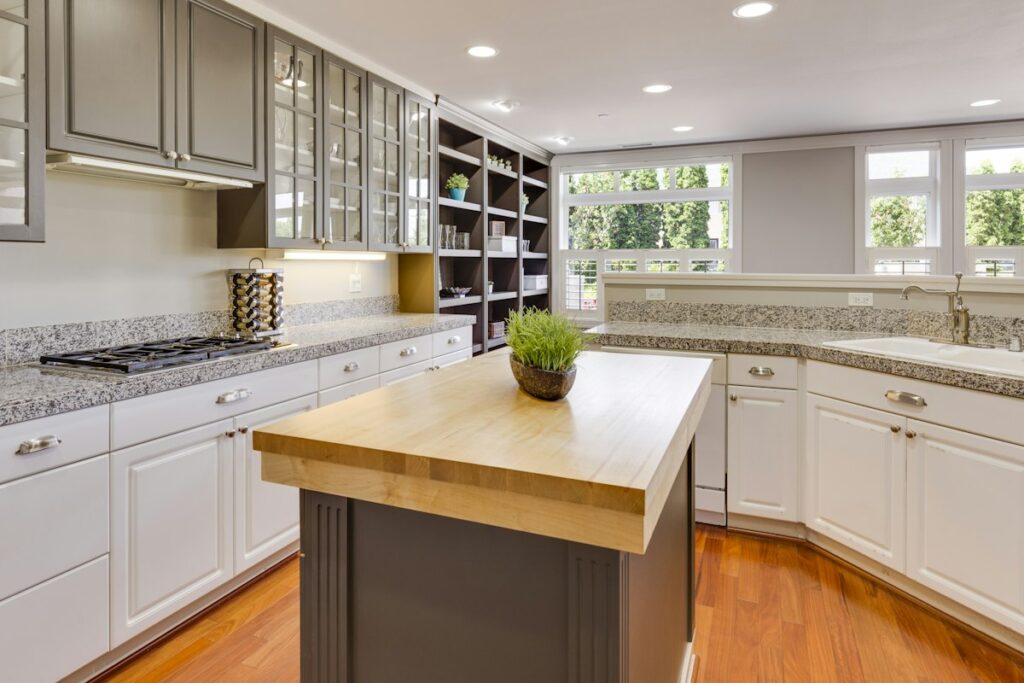
The single biggest source of frustration in kitchen renovations isn’t the mess or the timeline — it’s the gap between what homeowners expect their budget to cover and what it actually does. A mid-range kitchen remodel typically lands homeowners in a broad range depending on region, kitchen size, and how much structural work is involved, and within that budget, cabinetry and labor consistently eat the largest share, not appliances or countertops like most people assume. Understanding where the money actually goes lets you make smarter trade-offs before demo day, not after.
Where the Budget Actually Goes
Cabinetry: The Biggest Line Item
Cabinets routinely consume 30–35% of a mid-range remodel budget. Semi-custom cabinetry offers the best value for most homeowners — it allows sizing adjustments for your specific layout without the full custom price premium. Stock cabinets are cheaper but limited in configuration; fully custom cabinetry can double your cabinet spend for marginal gains unless your kitchen has unusual dimensions or you want furniture-grade detailing.
Labor: The Line Item People Forget
Installation labor, plumbing, and electrical work together often account for 20–25% of the total budget. Moving a sink, gas line, or major electrical panel work adds cost quickly — every foot you relocate a water or gas line increases both material and labor cost disproportionately. If your budget is tight, keeping your sink, stove, and refrigerator in their existing locations is the single highest-leverage cost-saving decision you can make.
Countertops
Mid-range remodels usually land on quartz or granite, which typically runs a meaningful but manageable portion of the total. Quartz offers more consistent patterning and lower maintenance; granite offers unique natural veining but needs periodic sealing. Laminate remains a legitimate budget option with much-improved visual quality compared to a decade ago.
Flooring
Luxury vinyl plank has become the default mid-range choice — water-resistant, durable, and visually close to hardwood at a fraction of the cost and installation time. Real hardwood or tile costs more both in materials and labor, particularly if subfloor leveling is required.
Appliances
A mid-range appliance package for a full suite (range, refrigerator, dishwasher, microwave/hood) is a smaller share of the budget than most people expect, especially if you keep existing appliances that are still functional and simply reface or repaint them into the new design.
Three Ways to Stretch a Mid-Range Budget Further
Keep the Existing Footprint
Reconfiguring plumbing and gas lines is consistently one of the most expensive line items in a remodel. If your current layout is functional, spend your money on finishes instead of moving walls and utilities.
Reface Instead of Replace
If your cabinet boxes are structurally sound, refacing — replacing doors, drawer fronts, and hardware while keeping the boxes — can deliver 70–80% of the visual impact of full replacement for a fraction of the cost.
Sequence Your Splurges
Pick one or two elements to invest in — a statement range hood, a waterfall quartz island, or designer lighting — and keep everything else in the mid-range tier. A kitchen with one well-executed focal point reads as more expensive than one with everything spread evenly thin.
Hidden Costs to Budget For
Always build in a 10–15% contingency for surprises behind the walls: outdated wiring that doesn’t meet current code, water damage under old flooring, or subfloor issues that only become visible once cabinets are removed. Permit fees, dumpster rental, and temporary kitchen setup costs (a folding table, microwave, and mini-fridge in another room) are also frequently left out of initial budgets but are real costs over a multi-week project.
Frequently Asked Questions
How long does a mid-range kitchen remodel take?
Most mid-range remodels take 6–10 weeks from demo to final walkthrough, assuming no major structural surprises and materials are ordered in advance. Custom cabinetry lead times are often the longest pole in the tent, sometimes 6–8 weeks by themselves.
Should I move my kitchen’s plumbing to change the layout?
Only if the current layout genuinely doesn’t work for how you cook and live. Relocating plumbing and gas lines adds significant cost and complexity, so it’s worth exploring whether new cabinetry and a different appliance arrangement can solve the problem within the existing footprint first.
Is it worth it to refinish cabinets instead of replacing them?
If the boxes are square, solid, and the right size for your space, refinishing or refacing is usually a strong value move. It’s not worth it if you’re also changing the kitchen’s layout or if the boxes have water damage or are particle board that’s swelling.
What’s the biggest budget mistake homeowners make?
Underestimating labor and the cost of moving utilities, then having to cut corners on cabinetry or countertops — the two most visible, longest-lasting elements of the kitchen — to cover the shortfall.
For complex structural, electrical, gas, and other safety-critical work, consult a qualified professional and check local requirements.
Read Next
All articles →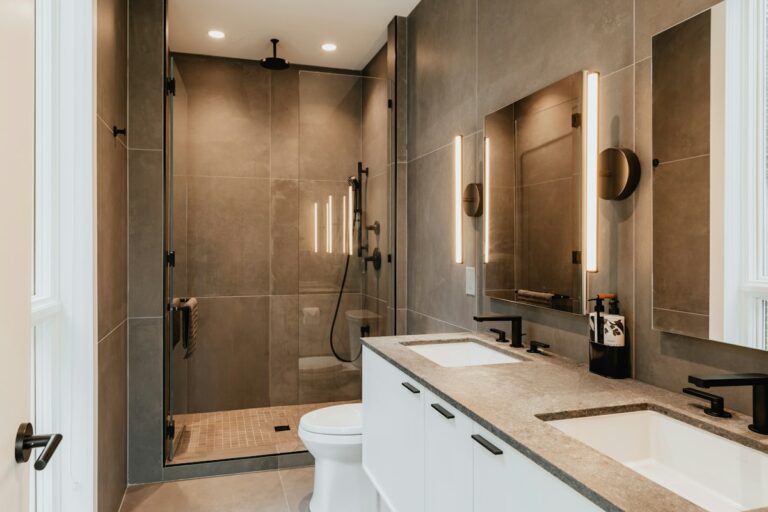
Basement Bathroom Addition: What a Below-Grade Bathroom Really Costs and Requires
A basement bathroom addition typically costs between $8,000 and $25,000 depending on plumbing complexity, and the single biggest factor is whether…
Read the guide →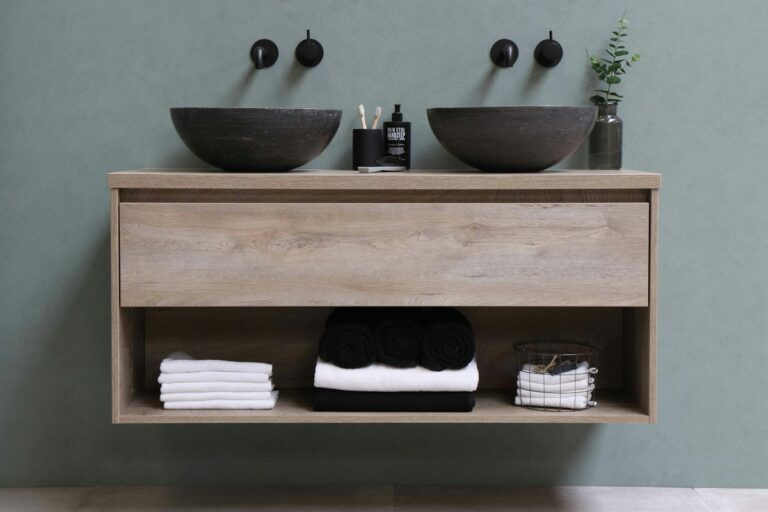
Small Bathroom Remodel: Where to Splurge and Where to Save
Focus keyword: small bathroom remodel budget
Read the guide →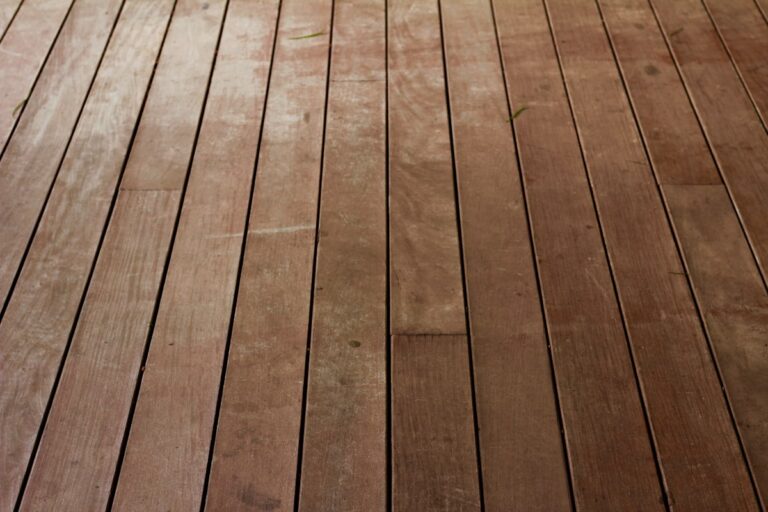
Engineered vs. Solid Hardwood Flooring: Which Is Right for an Old House
Solid hardwood is generally the better match for an old house because it can be sanded and refinished many times over…
Read the guide →