
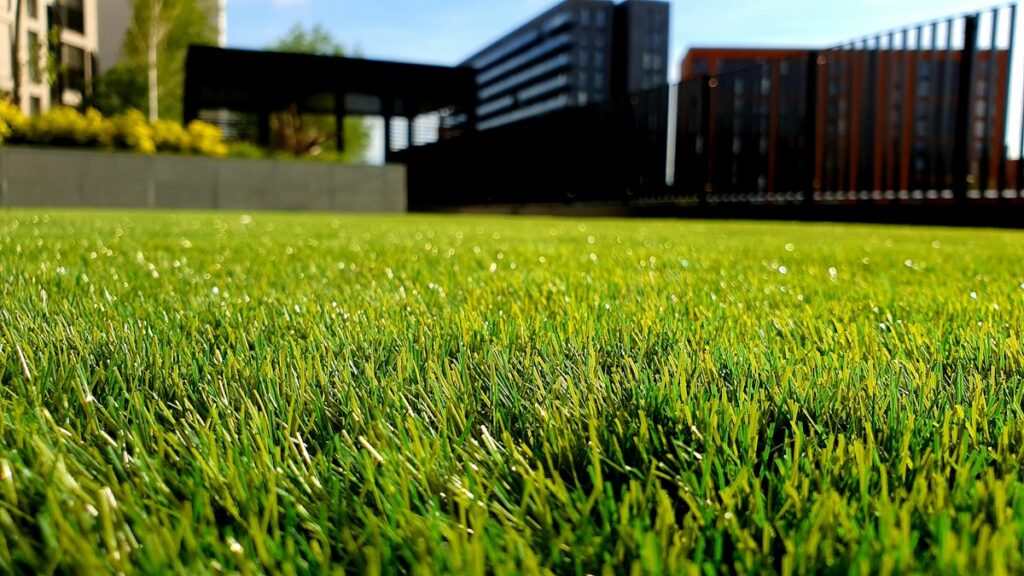
Fall Lawn Care 101: 5 Tasks That Set You Up for a Healthier Yard Next Spring
It’s tempting to think of lawn care as a spring and summer job, but what you do to your yard in early fall has an outsized effect on how it looks next year. Cooler air temperatures combined with soil that’s still warm from summer create ideal conditions for grass roots to grow, which is exactly why fall is considered prime season for lawn repair in most of the country. Here are five focused tasks that make the biggest difference, roughly in the order you should tackle them.
Aerate Compacted Soil
Over a summer of foot traffic, mowing, and play, soil compacts and makes it harder for water, air, and nutrients to reach grass roots. Core aeration — pulling small plugs of soil out of the lawn — relieves that compaction and creates channels for water and fertilizer to actually reach the root zone instead of running off. You can rent a core aerator from most equipment rental centers for a day, or hire a lawn service to do it. Aim to aerate when the soil is moist but not soaked, which makes it easier for the machine to pull clean plugs.
Overseed Thin or Bare Patches
Right after aerating is the best time to overseed, since the holes left behind give grass seed direct contact with soil, which dramatically improves germination rates. Choose a grass seed blend suited to your climate and existing lawn type, spread it evenly with a broadcast or drop spreader, and keep the seeded areas consistently moist (typically light watering once or twice a day) until the new grass is established, usually two to three weeks. Avoid heavy foot traffic on newly seeded areas during that window.
Apply a Fall Fertilizer
A fertilizer with a higher proportion of potassium relative to nitrogen helps grass build strong roots and store energy for winter dormancy, rather than pushing a lot of fast top growth the way a spring, nitrogen-heavy formula does. Follow the product label’s application rate closely — over-applying fertilizer doesn’t help the lawn and can run off into storm drains and local waterways. If you’re not sure what your lawn actually needs, a simple soil test through your local extension office can tell you exactly which nutrients are low before you buy anything.
Keep Up With Leaf Removal
A thin scattering of leaves is fine to mulch in place with a mower, and the shredded leaf litter actually adds organic matter back to the soil. But a thick, wet mat of leaves left on the lawn blocks sunlight and traps moisture against the grass blades, which can smother grass and encourage fungal disease over the following weeks. Rake or mow over leaves regularly through the season rather than waiting until every leaf has fallen and dealing with it all at once.
Keep Mowing at the Right Height (Then Do a Final Cut)
Don’t put the mower away just because it’s fall — grass keeps growing as long as temperatures stay above the mid-40s Fahrenheit. Continue mowing at your normal recommended height for your grass type through most of fall, then gradually lower the cutting height for your last mow or two of the season. Grass that goes into winter too long is more prone to matting under snow and developing fungal issues like snow mold; grass cut too short heading into winter has less energy reserve and a weaker root system. A moderate final height, rather than a scalp, is the goal.
A Few Extra Fall Yard Tasks Worth Doing
- Edge garden beds and walkways before growth stops for the season
- Divide and transplant overcrowded perennials while the soil is still workable
- Clean and store irrigation equipment, and drain sprinkler lines if you’re in a freeze-prone climate
- Sharpen or service your mower blade before storing it for winter
- Clear gutters and low tree branches so falling debris doesn’t pile up on the lawn all season
How Much Water Does Fall Grass Actually Need?
Many homeowners shut off their irrigation the moment temperatures start to dip, but newly seeded or aerated lawns still need consistent moisture to establish strong roots. As a general rule, continue watering deeply but less frequently through early fall — enough to keep the top few inches of soil moist without leaving standing water. Once nighttime temperatures consistently drop below the mid-40s Fahrenheit and grass growth slows noticeably, you can taper off and eventually shut down and drain your irrigation system ahead of the first hard freeze to prevent frozen, cracked pipes.
Why This Effort Pays Off in Spring
Grass planted or repaired in fall has a full season of root development before it has to face summer heat stress, which means fall-seeded lawns typically come into spring thicker and more resilient than lawns left to recover on their own. Aeration relieves the compaction that’s been building all summer, fertilizer builds the energy reserves the grass needs to survive dormancy, and consistent leaf and mowing management prevents the kind of fungal and pest problems that show up as ugly patches the following spring.
You don’t need a big budget or a full weekend marathon to make progress here. Even spacing these five tasks out over several weekends in September and October will leave your lawn noticeably healthier come next spring, with far less repair work needed when the growing season starts back up.
A Note on Timing for Your Climate
Exactly when to start these tasks depends heavily on where you live. In cooler northern climates with cool-season grasses like fescue, Kentucky bluegrass, or perennial ryegrass, early-to-mid fall is the ideal window for aeration and overseeding. In warmer southern climates with warm-season grasses like Bermuda or zoysia, those grasses are heading toward dormancy in fall, so major renovation work is often better scheduled for late spring instead — fall in those regions is more about cleanup, light fertilization, and getting ready for winter overseeding with ryegrass if you want green color through the cooler months. If you’re not sure which category your grass falls into, your local cooperative extension office is a reliable, free resource for climate-specific timing.
For complex structural, electrical, gas, and other safety-critical work, consult a qualified professional and check local requirements.
Read Next
All articles →
Fall Curb Appeal Refresh: 8 Budget-Friendly Yard Upgrades to Try This September
Fall Curb Appeal Refresh: 8 Budget-Friendly Yard Upgrades to Try This September
Read the guide →
7 Fall Lawn Care Tasks That Set Up a Healthier Yard Next Spring
It's tempting to think of lawn care as a spring and summer job, but the work you do on your yard…
Read the guide →
Early-Fall Exterior Painting: When September Weather Works in Your Favor
If exterior painting has been on your to-do list all summer, don't let it slip into next year. Early fall —…
Read the guide →