
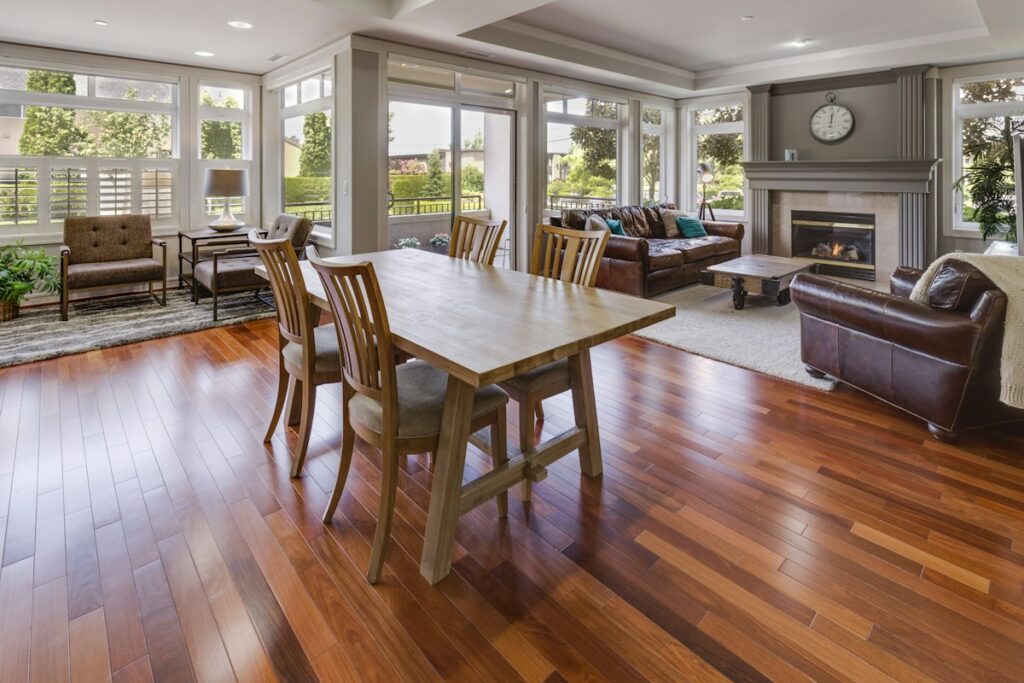
Flooring is one of the biggest visual and financial decisions in any renovation, and the right choice depends heavily on where in the house you’re installing it. What works beautifully in a living room can warp in a bathroom; what holds up in a mudroom might feel cold and hard underfoot in a bedroom. Here’s a practical, room-by-room guide to help you narrow down the options.
Start With How the Room Is Used
Before comparing materials, think through three questions for the specific room: how much moisture will the floor be exposed to, how much foot traffic and impact will it take, and how much are you willing to spend both up front and on long-term maintenance. Those three answers eliminate most options quickly.
Kitchens
Kitchens need a floor that handles spills, dropped items, and constant foot traffic. Popular, reliable choices include:
– Luxury vinyl plank (LVP): Fully waterproof, comfortable underfoot, and convincingly mimics wood or stone at a lower cost. It’s one of the most popular kitchen flooring choices right now for good reason.
– Porcelain or ceramic tile: Extremely durable and water-resistant, though it’s hard and cold underfoot and grout lines need periodic sealing and cleaning.
– Engineered hardwood: Gives a genuine wood look with better moisture resistance than solid hardwood, though it’s still not a good match for kitchens prone to standing water.
Avoid solid hardwood and most laminate in kitchens — both can warp or swell if water sits on the surface for any length of time.
Bathrooms
Bathrooms are the most moisture-heavy rooms in the house, so waterproofing matters more here than almost anywhere else.
– Porcelain or ceramic tile remains the gold standard for bathrooms because it’s fully water-resistant and easy to clean, especially with a well-sealed grout.
– Waterproof LVP or vinyl sheet is a strong budget-friendly alternative, particularly for a half bath or guest bathroom, and it’s warmer and softer underfoot than tile.
– Natural stone looks striking but generally needs regular sealing to stay water-resistant, so factor that ongoing maintenance into your decision.
Living Rooms and Bedrooms
These lower-moisture, comfort-focused spaces open up the widest range of options.
– Solid or engineered hardwood offers timeless style and can be refinished multiple times over its life (solid hardwood more so than engineered, which has a thinner veneer layer).
– Carpet adds warmth and sound absorption, which many people still prefer for bedrooms, though it shows wear faster in high-traffic living rooms and isn’t ideal for households with allergies.
– Laminate gives a wood-look floor at a lower price point and holds up well to everyday use, though it can’t be refinished the way real wood can once it’s scratched or worn.
Entryways and Mudrooms
These rooms take the brunt of dirt, water, and grit tracked in from outside, so durability and easy cleanup should drive the decision.
– Tile is a classic choice here for the same reasons it works in bathrooms and kitchens — it shrugs off water and grit and is simple to mop.
– LVP is another strong pick, combining waterproofing with a softer, warmer feel than tile.
– Avoid pure carpet in a primary entryway — it holds onto dirt and moisture and wears out fastest exactly where it’s needed most.
Basements
Basements bring two extra considerations: below-grade moisture (even without visible leaks, concrete slabs can wick moisture) and a subfloor that’s typically concrete rather than wood.
– Waterproof LVP is generally the top recommendation for finished basements because it tolerates humidity swings and minor moisture far better than wood-based products.
– Tile also works well, especially paired with an in-floor vapor barrier.
– Avoid solid hardwood, carpet without a moisture barrier, and most laminate in basements unless you’ve confirmed the space has a reliable, tested moisture-control system in place.
Home Offices and Sunrooms
These spaces don’t fit neatly into the “high moisture” or “high traffic” categories, but they come with their own quirks. A home office benefits from a floor that’s comfortable to sit on for long stretches and quiet underfoot — engineered hardwood, laminate, or a well-padded carpet all work well, and a hard, smooth surface like LVP also makes it easier to roll a desk chair. Sunrooms and three-season rooms see more temperature swings and sun exposure than the rest of the house, so materials that resist fading and handle expansion and contraction — tile or LVP rather than solid hardwood — tend to hold up better over time.
Budgeting Realistically
Material cost is only part of the picture. Installation, underlayment, removal of old flooring, and any needed subfloor repairs can add substantially to the total. Tile and hardwood installations generally cost more in labor than LVP or laminate, which are more DIY-friendly for a confident homeowner. If you’re comparing quotes, ask specifically what’s included — some installers price the material and labor separately, and removal/disposal of the old floor is sometimes a separate line item that catches people off guard.
A Few Installation Notes
If you’re installing flooring yourself, let the material acclimate to the room’s temperature and humidity for the manufacturer’s recommended time — usually 48–72 hours for wood and laminate products — before installation, since skipping this step is a common cause of buckling or gapping later. For any room where you’re removing old flooring, check whether it might contain asbestos before cutting or sanding, particularly in homes built before the 1980s; if you’re unsure, it’s worth having a sample tested rather than guessing.
The Bottom Line
There’s no single “best” flooring — only the best flooring for a specific room’s moisture level, traffic, and your budget. Matching the material to how the room actually gets used will save you from a floor that looks great on day one but needs replacing again in just a few years.
For complex structural, electrical, gas, and other safety-critical work, consult a qualified professional and check local requirements.
Read Next
All articles →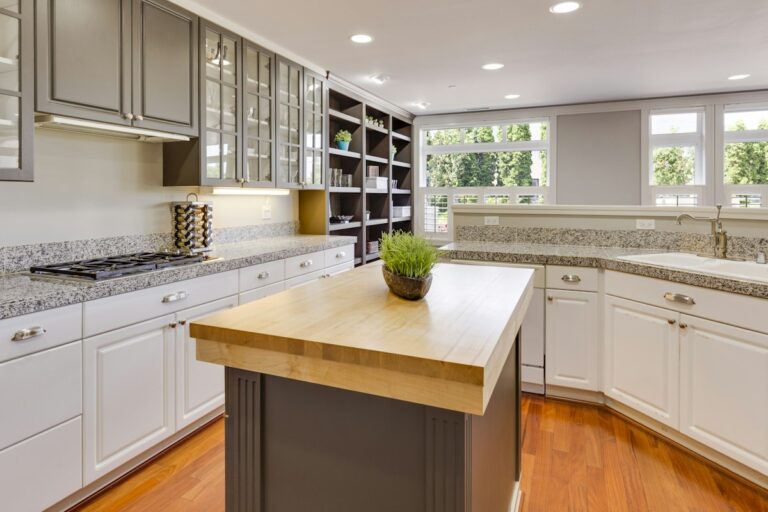
5 Smart Ways to Upgrade Your Kitchen Countertops Without a Full Remodel
A full kitchen remodel can easily run into the tens of thousands of dollars, and countertops alone — especially natural stone…
Read the guide →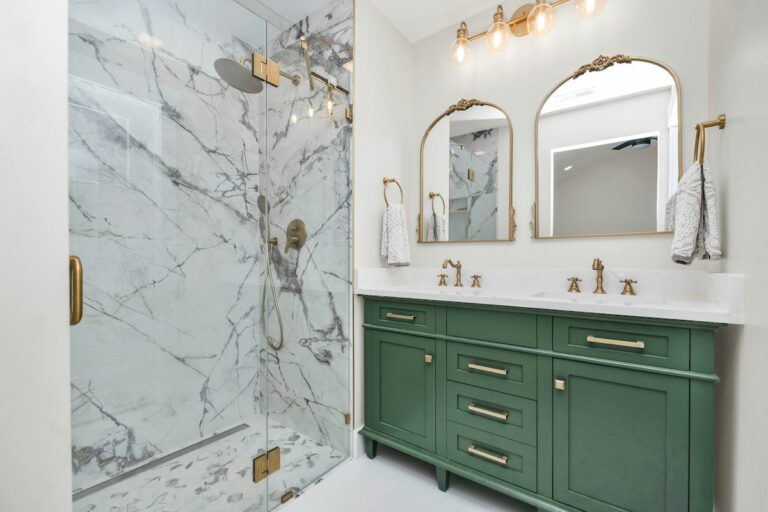
Weekend Bathroom Refresh: How to Update Grout, Caulk, and Hardware Without a Full Remodel
Imported from Gmail for editorial verification. Not yet approved for publication.
Read the guide →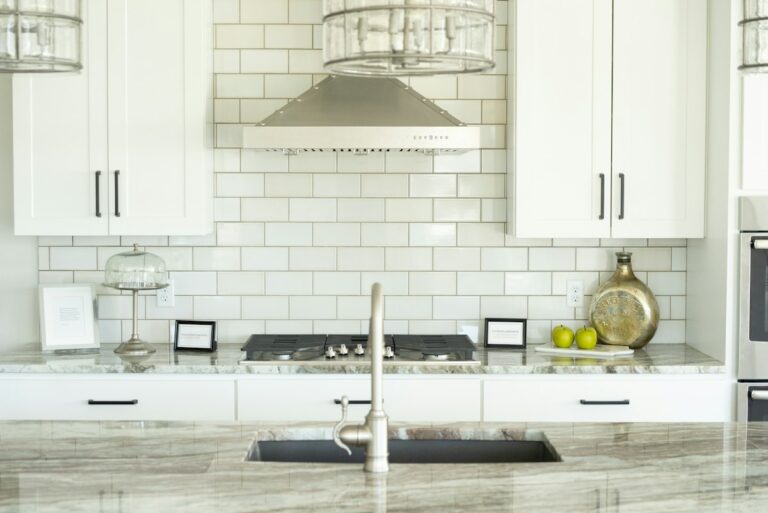
How to Install a Peel-and-Stick Backsplash Over Existing Tile
Learn how to install a peel-and-stick backsplash directly over existing tile, including surface prep, cutting around outlets, and sealing edges.
Read the guide →