
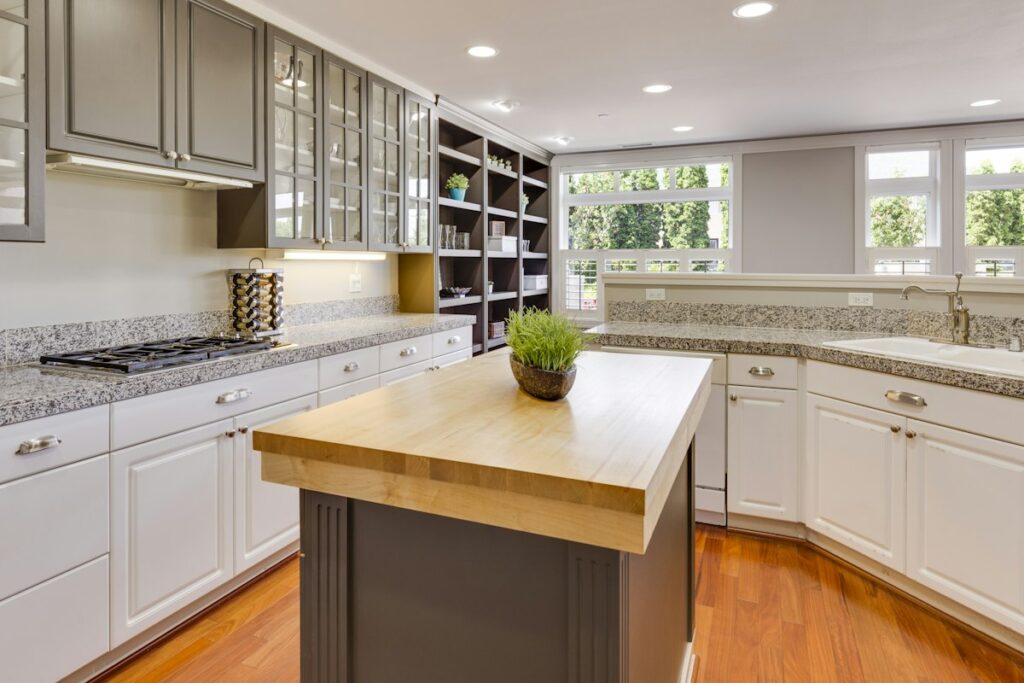
A full kitchen remodel can easily run into the tens of thousands of dollars, and countertops alone — especially natural stone — are often one of the priciest line items. If your cabinets, layout, and appliances are all in decent shape but your counters are dated, stained, or just not your style anymore, you don’t necessarily need to gut the room. Here are five practical ways to upgrade your countertops without a full remodel, ranging from a weekend project to a modest professional install.
1. Refinish Existing Laminate or Solid-Surface Counters
If your counters are laminate or a solid-surface material like Corian, refinishing kits can give them a completely different look for a fraction of replacement cost. Countertop refinishing kits typically use a specialized epoxy or acrylic coating that’s applied in layers over a properly cleaned and sanded surface, often finished with mica chips or a faux-stone pattern for a granite- or marble-like appearance. The process takes a full weekend, including cure time, and works best when you can keep the kitchen clear of use for a day or two. Ventilate the room well while working with any epoxy or solvent-based product, and follow the manufacturer’s instructions on cure time before setting anything on the surface.
2. Apply a Countertop Epoxy Overlay
Similar to refinishing kits but more dramatic, a poured epoxy overlay creates a thick, glossy, seamless surface over almost any existing countertop material, including tile. This is a more involved DIY project — you’ll need to tape off edges carefully, work in a dust-free environment, and pour in stages if you’re covering a large area — but it can convincingly mimic the look of poured concrete, marble, or resin art countertops. Because epoxy resin and hardener give off strong fumes while curing, plan to keep the space well-ventilated and keep kids and pets out of the kitchen for the full cure window listed on the product, typically 48–72 hours.
3. Add a Butcher Block or Wood Accent Section
You don’t have to replace an entire countertop to change its character. Swapping just the counter around a peninsula, island, or a single run of cabinets for butcher block or a live-edge wood slab creates a warm focal point and is a manageable project for anyone comfortable with basic tools. Wood counters do need more maintenance than stone or laminate — regular oiling to prevent water damage, and care around hot pans — but they’re also easier to sand and refinish yourself if they get scratched or stained down the road.
4. Reface With Peel-and-Stick or Contact Paper Options
Peel-and-stick countertop coverings have improved significantly and now come in realistic marble, granite, and concrete finishes. This is the fastest and cheapest option on this list — a small kitchen’s counters can be covered in an afternoon — and it’s fully reversible, which makes it a smart choice for renters or anyone not ready to commit to a permanent change. The tradeoff is durability: these films handle light use well but aren’t as heat- or scratch-resistant as a true countertop material, so they work best as a temporary refresh rather than a permanent solution.
5. Replace Just the Countertop, Keep the Cabinets
If your cabinets are structurally sound and you like the layout, a straightforward countertop swap — quartz, granite, butcher block, or a laminate upgrade — delivers a dramatic visual change without touching plumbing, electrical, or cabinetry. This is a bigger investment than the other options here and typically involves a professional template and install, especially for stone, but it costs meaningfully less than a full kitchen remodel because you’re not paying for demolition, new cabinet boxes, or reconfigured plumbing and electrical. When you get quotes, ask installers whether your existing sink and faucet can be reused, since that can save additional cost.
How Long Should You Expect Each Option to Last?
Durability varies a lot across these five approaches, and it’s worth factoring into your decision alongside upfront cost. A well-applied refinishing kit or epoxy overlay typically holds up for several years with reasonable care, though it can chip or scratch with heavy daily use and generally isn’t a permanent fix. Peel-and-stick coverings are best thought of as a one-to-three-year refresh rather than a lasting surface. Butcher block, properly maintained with regular oiling, can last many years and is easy to sand back to like-new condition. A full stone or quartz replacement is the most durable option on this list and, with normal care, is designed to last for decades — which is part of why it also carries the highest price tag.
A Few Tips Before You Start
– Test in an inconspicuous spot first. Refinishing kits, epoxy, and peel-and-stick films can all look different on your specific counter than they do in photos — try a small section or a spare piece of material before committing to the whole kitchen.
– Measure carefully. Whether you’re ordering peel-and-stick sheets or a stone slab, accurate measurements (including any cutouts for sinks or cooktops) prevent costly reordering.
– Disconnect the sink and any electrical outlets in the work area before starting a DIY project that involves cutting into or removing countertop material near plumbing or wiring, and shut off water and power at the source rather than just at the fixture.
– Budget for the finishing details. New counters often reveal that your backsplash, faucet, or cabinet hardware suddenly look dated by comparison — it’s worth setting aside a small amount for those finishing touches.
Choosing the Right Option for You
If you’re planning to sell within a year or two, a full countertop replacement in a neutral, popular material like quartz tends to offer the best return. If you’re staying put and want to try a bold look without a big commitment, refinishing or an epoxy overlay lets you experiment. And if you just need something to look better by the weekend, peel-and-stick coverings are hard to beat for speed and low cost. Whichever route you choose, none of these options require touching your cabinets, layout, or major systems — which means you get a genuinely new-looking kitchen without a remodel-sized budget or timeline.
For complex structural, electrical, gas, and other safety-critical work, consult a qualified professional and check local requirements.
Read Next
All articles →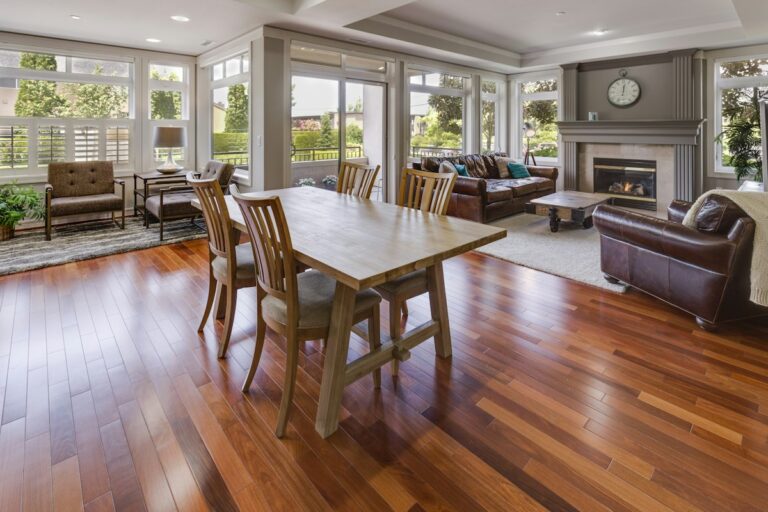
How to Choose the Right Flooring for Every Room in Your Home: A Practical Buyer’s Guide
Gmail article imported for editorial review; facts and product claims pending verification.
Read the guide →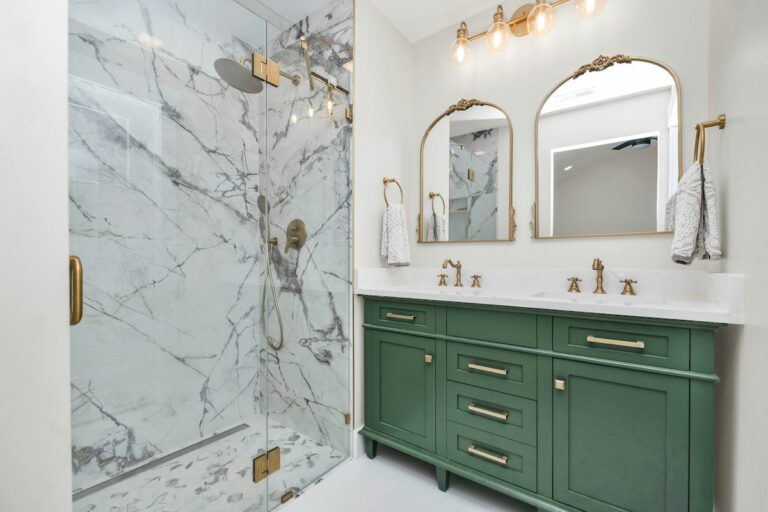
Weekend Bathroom Refresh: How to Update Grout, Caulk, and Hardware Without a Full Remodel
Imported from Gmail for editorial verification. Not yet approved for publication.
Read the guide →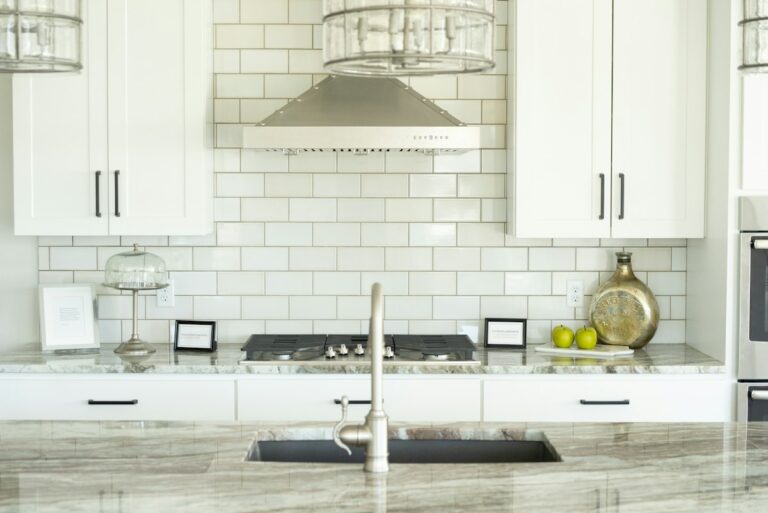
How to Install a Peel-and-Stick Backsplash Over Existing Tile
Learn how to install a peel-and-stick backsplash directly over existing tile, including surface prep, cutting around outlets, and sealing edges.
Read the guide →